
Liberia Strengthens Agricultural Reform Agenda as IFAD Calls for Stronger Ownership and Resuls
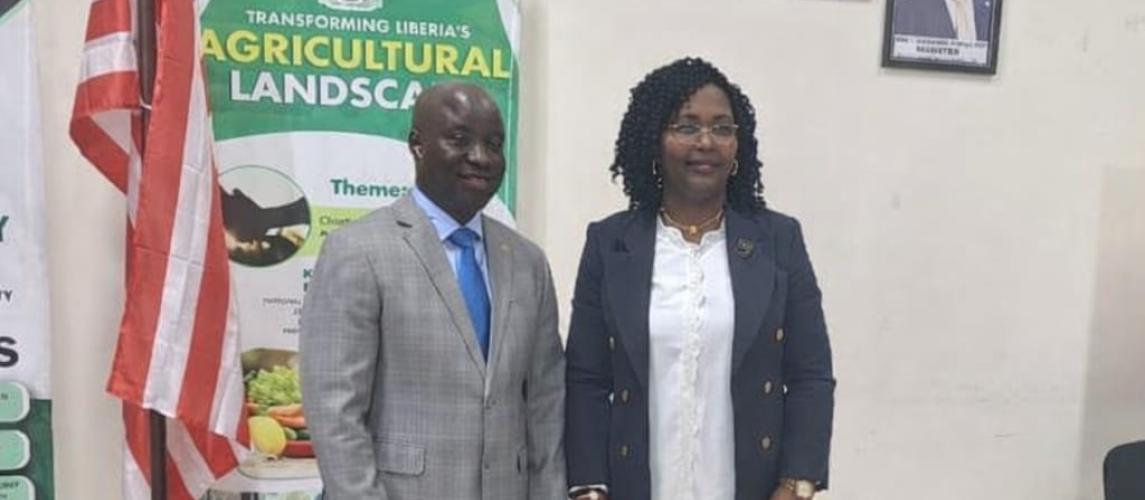
[Monrovia, Liberia, February 16, 2026]– Agriculture Minister Dr. J. Alexander Nuetah has reaffirmed the Government of Liberia’s strong commitment to its partnership with the International Fund for Agricultural Development (IFAD), highlighting achievements and outlining new priorities to strengthen agricultural production, rural infrastructure, and value addition nationwide.
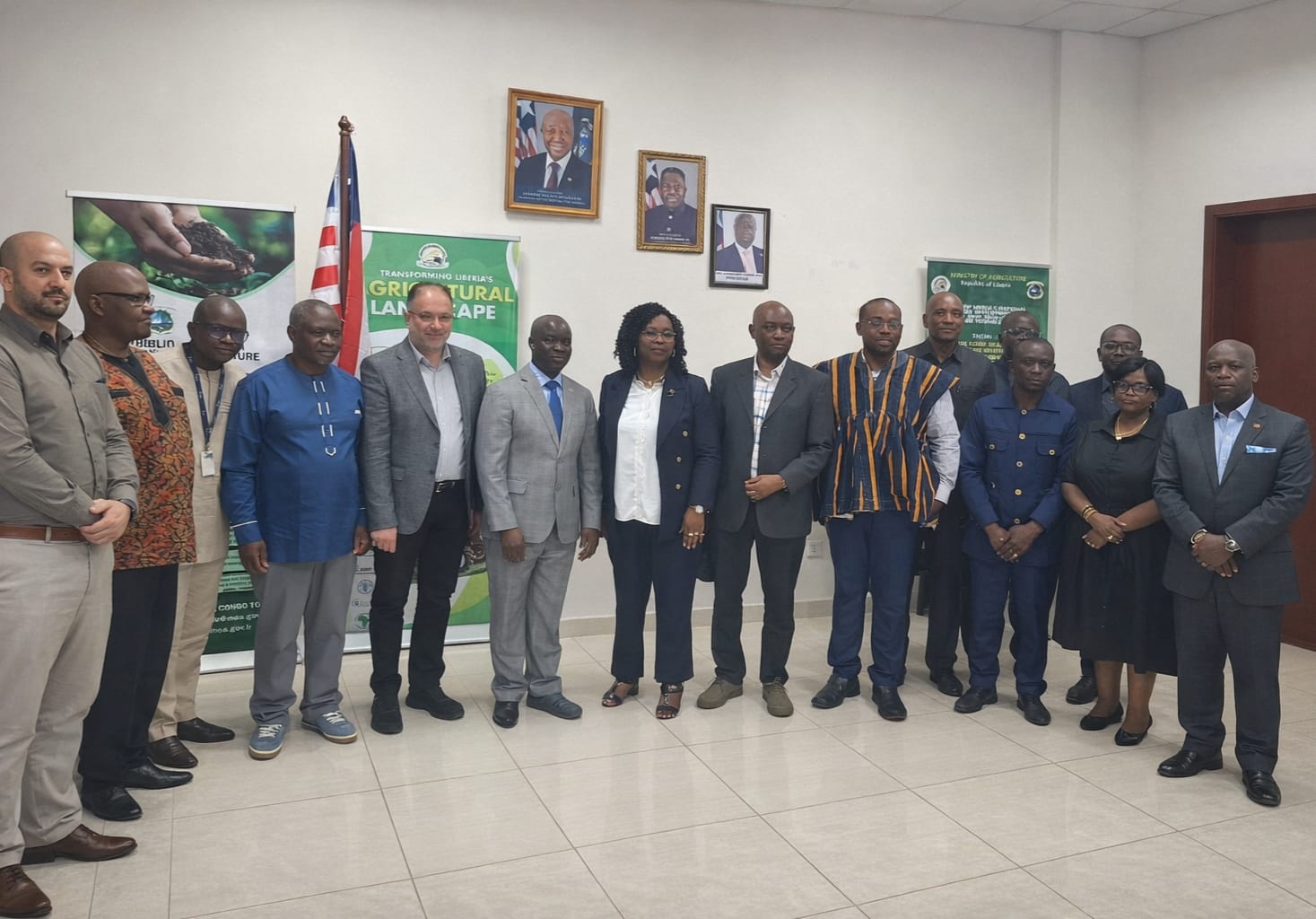
The Minister made the statement at the launch of an IFAD mission aimed at expanding the Tree Crops Extension Project Phase II (TCEP II) and conducting the Mid-Term Review of the Building Climate Resilience Project (BCRP). The mission includes IFAD representatives, implementing partners, Project Implementation Unit (PIU) staff, and Ministry of Agriculture officials, all working together to evaluate progress and set strategic priorities for upcoming interventions.
Minister Nuetah commended IFAD for its continued support to Liberia’s agricultural transformation and acknowledged the leadership of IFAD Country Director Pascaline Barankeba for her role in strengthening cooperation and ensuring impactful investments in the sector.
“We can proudly say that IFAD has been working well in Liberia, and the results we are seeing today demonstrate the strength of partnership and shared commitment to transforming our agriculture sector,” Minister Nuetah said.
He disclosed that Liberia, for the first time, had pledged financial contributions to IFAD’s 13th Replenishment (IFAD13), committing USD 100,000 to the fund. He noted that 50% of the pledged amount has already been paid, with the remaining balance expected before the end of the year. He further assured that Liberia remains committed to contributing to IFAD14, emphasizing the importance of developing countries taking ownership of replenishment efforts to sustain agricultural development financing.
“For the first time, Liberia pledged to contribute to IFAD, and we remain committed to fulfilling that obligation because partnership must also come with ownership,” he stated.
According to Minister Nuetah, Liberia’s contribution has strengthened its partnership with IFAD and mobilized more than USD 52 million in financing for agricultural development initiatives. He explained that the additional resources have enabled discussions about expanding TCEP II, which will focus on several key strategic areas.
Among the priorities outlined is the establishment of a National Coffee Seed Garden to promote the production of pure-breed Liberica coffee, a crop regarded as one of Liberia’s agricultural prides. The initiative is expected to improve farmers’ access to quality planting materials while strengthening Liberia’s competitiveness in the global coffee market.
“Liberica coffee is one of the prides of this country. Through IFAD funding, we want to establish a seed garden that will give Liberians access to pure breeds and strengthen our position in the coffee sector,” the Minister noted.
The Minister also highlighted feeder road development as one of IFAD’s most impactful interventions, noting that improved rural access roads have enhanced market access and reduced transportation challenges for farmers. He emphasized that, under the TCEP II expansion, feeder road development will be extended to new counties to ensure broader inclusion and equitable development.
Minister Nuetah further stressed that the cocoa seed garden, expansion of Liberica coffee production, and feeder road rehabilitation remain central priorities under the TCEP II expansion framework.
Regarding the Building Climate Resilience Project (BCRP), the Minister emphasized the need for strong recommendations from the current Mid-Term Review to secure more funding for expansion. He highlighted that rice production under BCRP is already showing positive results and supports the Government’s National Agriculture Development Plan (NADP), which aims to develop 50,000 hectares of rice by 2030.
“The rice component under BCRP is making a strong impact, and we want to see how additional resources can help us expand production and reach our national targets,” he added.
The Minister announced ongoing discussions with IFAD on a livestock project in southeastern Liberia that would leverage the country's livestock strengths. The initiative aims to develop local breeds, including Muturu cattle, to boost meat production and access to protein.
Additionally, Minister Nuetah called for scaling up the Smallholder Transformation and Agribusiness Revitalization (STAR) Project to strengthen value addition in the cocoa and other agricultural value chains.
“We cannot continue exporting raw beans alone. When we add value locally, we create jobs, empower our people, and increase economic gains for the country,” the Minister emphasized.
The Minister encouraged members of the IFAD mission team to closely assess field-level realities throughout the review process and provide objective recommendations to guide future programming and strengthen project performance.
For her part, IFAD Country Director Ms Pascaline Barankeba described the mission as critical, highlighting progress in strengthening implementation systems and making strategic decisions to improve the lives of farmers and rural communities throughout Liberia.
“This mission is crucial because it allows us to reflect honestly on what has been achieved, identify gaps, and ensure that our investments deliver sustainable results,” Ms. Barankeba said.
She emphasized that while IFAD remains committed to supporting Liberia’s agricultural transformation, the sustainability of results depends on strong national ownership and performance at all levels of implementation to enhance food security, build resilience, and promote inclusive rural economic growth.
“IFAD stands ready to support, but ownership and performance must come from within. Projects alone do not transform countries; strong institutions, empowered farmers, and effective systems ensure lasting impact,” she added.
The Government of Liberia and IFAD reaffirmed their commitment to continued collaboration to advance agricultural transformation, improve rural livelihoods, and build a resilient and competitive agricultural sector.
